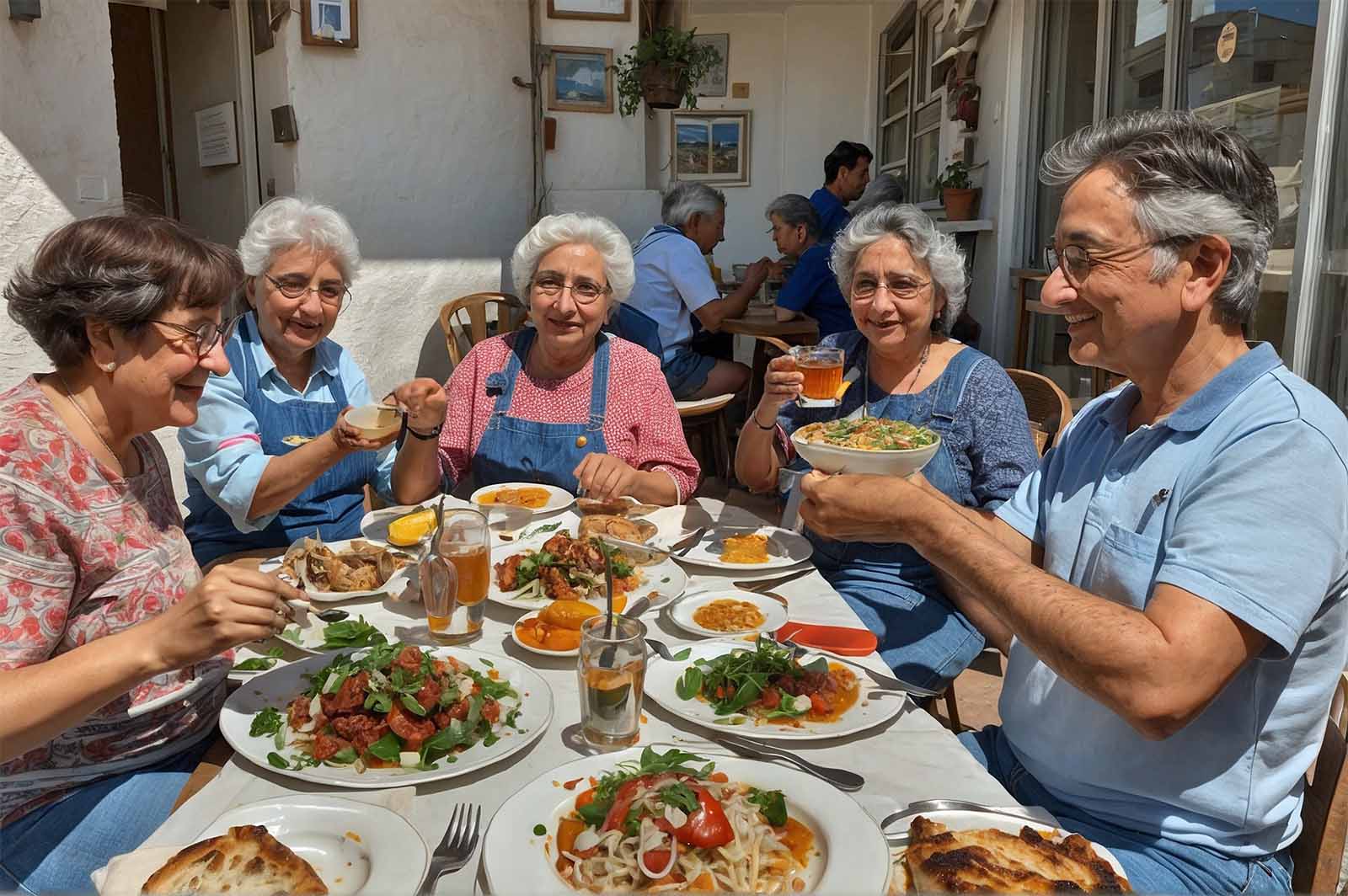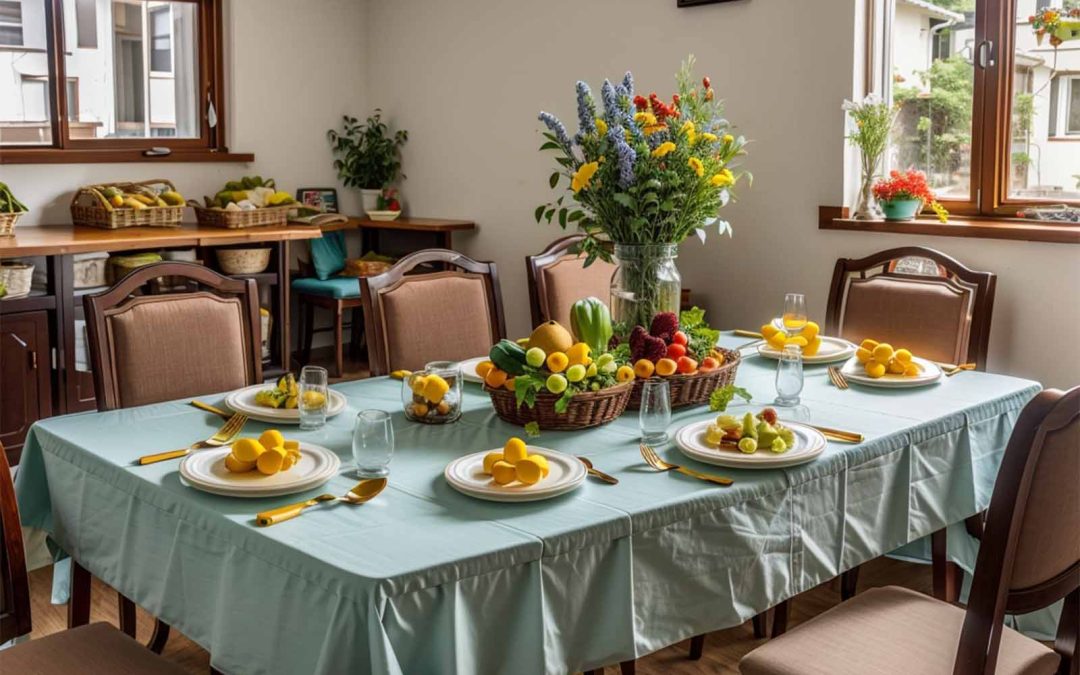
Nutrition plays a pivotal role in the health and well-being of the elderly, especially those residing in old age homes. As we age, our nutritional needs change, and so does our body’s ability to process and absorb nutrients. This makes it crucial for old age homes like Casa Serena to provide nutritionally balanced meals that cater to the specific needs of their residents. This blog delves into the importance of specialised nutrition in old age homes and offers guidance on how to ensure the elderly receive the nourishment they need.
Understanding the Nutritional Needs of the Elderly
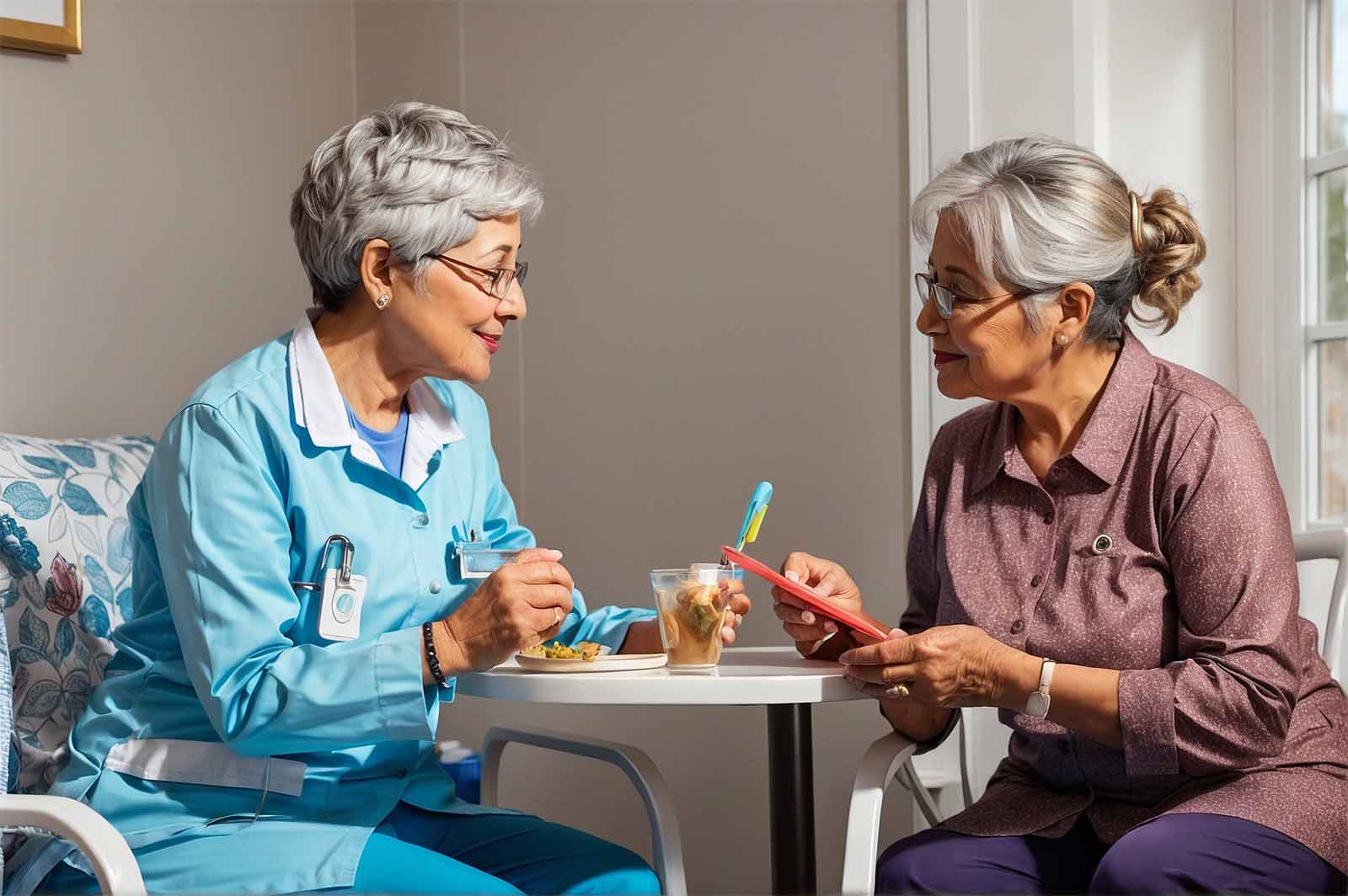
Elderly individuals have different nutritional requirements due to several factors such as reduced physical activity, changes in metabolic rate, and the presence of chronic illnesses. Key nutrients of concern include calcium and Vitamin D for bone health, B vitamins for energy metabolism and cognitive function, and fibre for digestive health. Ensuring a diet rich in these nutrients can significantly impact the quality of life for elderly residents, helping to maintain their health, mobility, and independence.
The Challenges of Nutrition in Old Age Homes
One of the main challenges faced by old age homes is addressing the varied dietary restrictions and preferences of residents. Some may have specific health-related dietary needs, such as low-sodium or diabetic diets, while others might adhere to vegetarian or other diet preferences. Moreover, issues like reduced appetite, dental problems, and decreased sense of taste and smell can make it challenging to ensure residents are getting the nutrition they need.
The Benefits of a Mediterranean Diet for Elderly Residents
A Mediterranean diet is renowned for its numerous health benefits, particularly suited to the nutritional needs of the elderly. Characterised by a high intake of fruits, vegetables, whole grains, olive oil, and lean protein sources such as fish and poultry, this diet is rich in nutrients essential for maintaining health in old age. The Mediterranean diet has been linked to reduced risks of heart disease, improved mental health, and increased longevity.
Strategies for Improving Nutrition in Old Age Homes
- Nutrition Education: Educating staff and residents about the importance of nutrition and how to make healthy choices can empower them to take an active role in their health. Regular workshops on nutrition and healthy eating habits can be beneficial.
- Enhancing Mealtime Experience: Making mealtime a pleasant and social event can improve residents’ food intake. This includes creating a comfortable dining environment and encouraging social interaction during meals, which can stimulate appetite and make eating a more enjoyable activity.
- Monitoring and Evaluation: Regular nutritional assessments can help identify residents who may be at risk of malnutrition or other nutrition-related issues, allowing for timely interventions. This can include weight monitoring, dietary intake assessments, and health check-ups to adjust dietary plans as needed.
- Collaboration with Healthcare Providers: Working closely with healthcare providers to address the specific health conditions of residents can ensure that dietary plans are aligned with their medical needs. This collaboration is crucial for managing chronic conditions through diet.
- Adapting to Sensory Changes: With ageing, changes in taste and smell may affect food preferences. Offering a variety of textures and flavours can help make meals more appealing. Including colourful fruits and vegetables can also make plates visually appealing, stimulating appetite.
- Ensuring Adequate Hydration: Elderly individuals are at a higher risk of dehydration. Providing and encouraging the intake of fluids throughout the day is vital. Options like soups, herbal teas, and water-rich fruits can contribute to better hydration.

Case Studies: Success Stories from Casa Serena
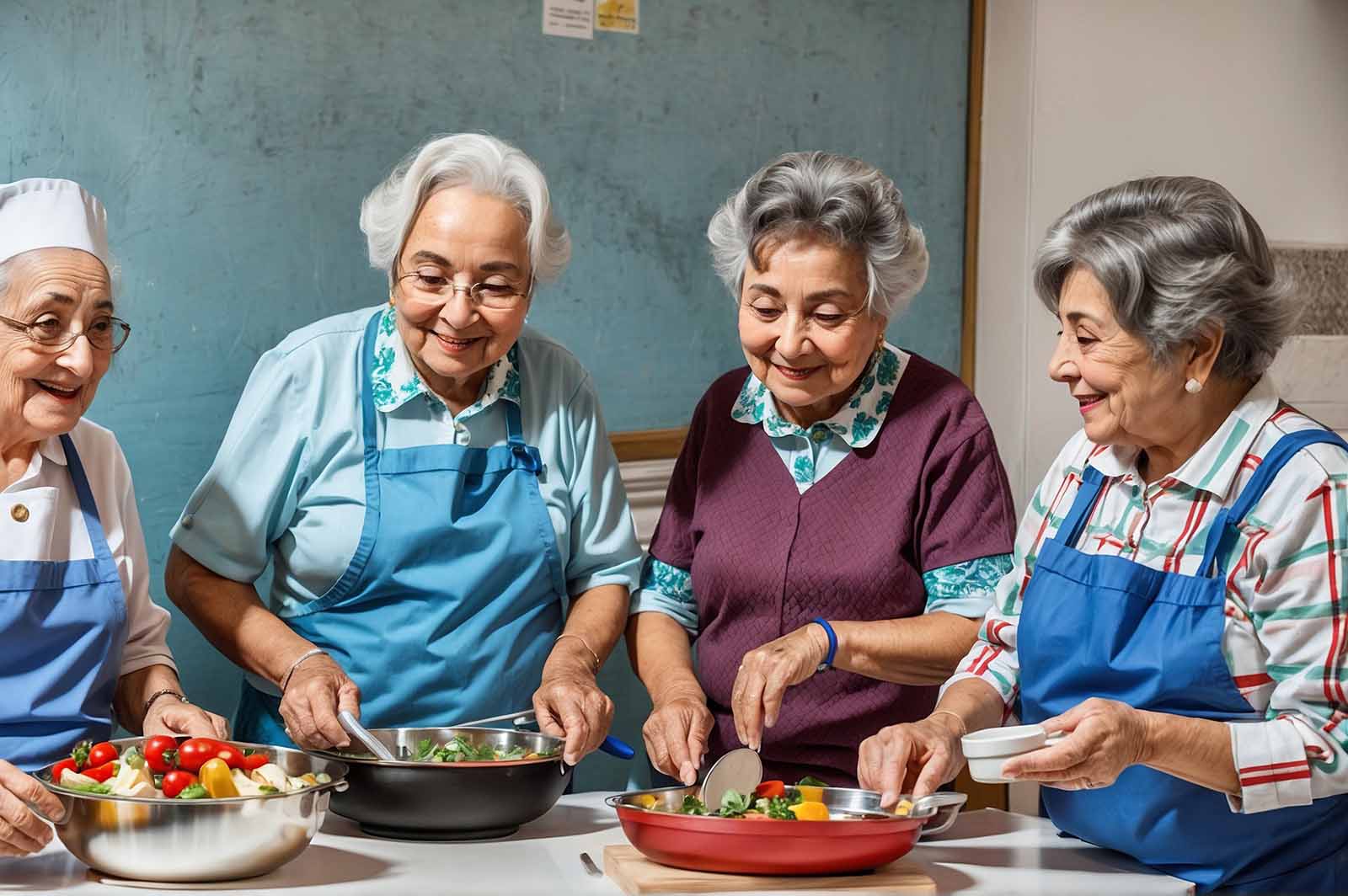
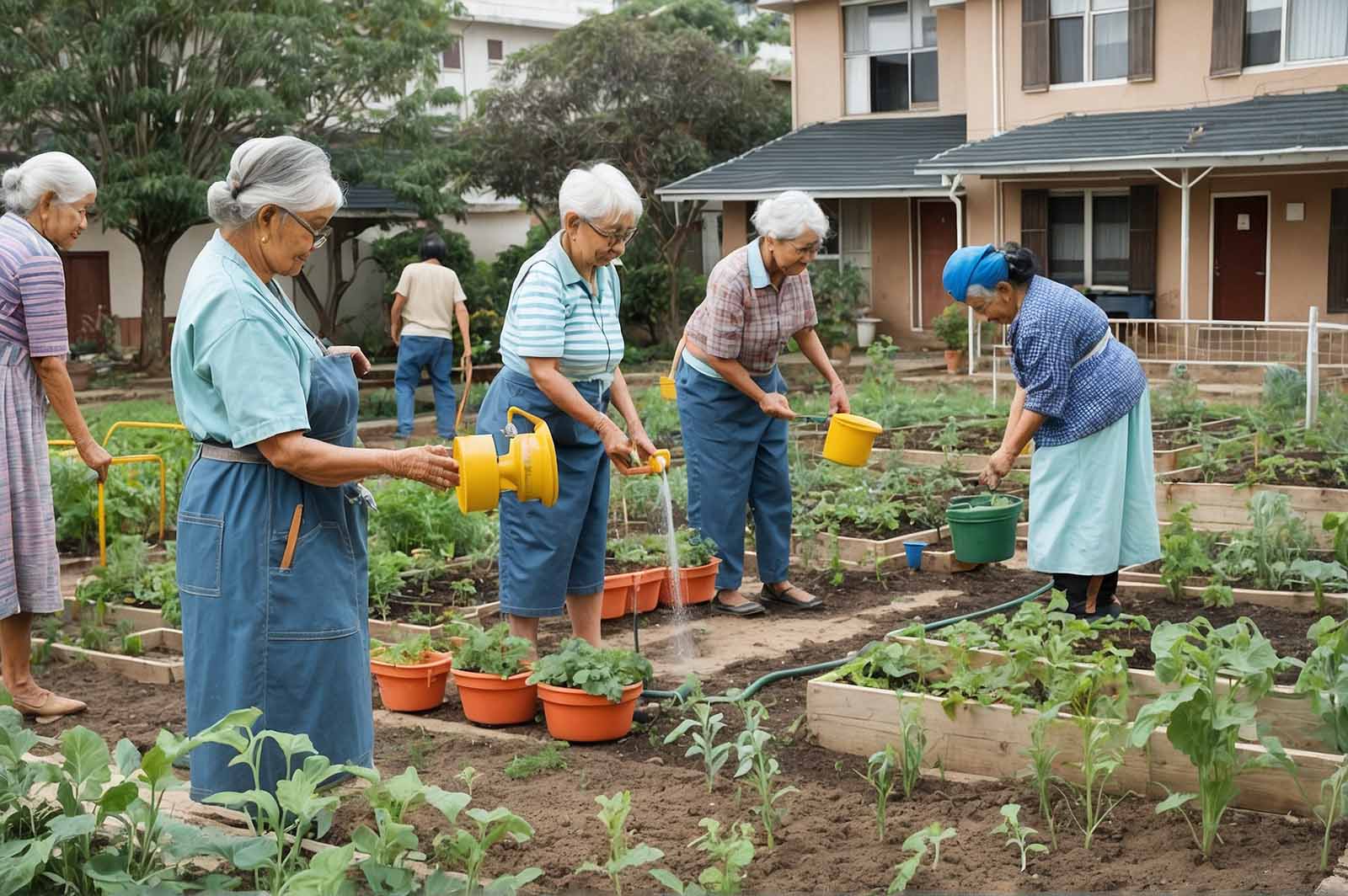
Casa Serena has implemented several successful initiatives to enhance the nutritional well-being of its residents. For example, the “Garden to Table” program not only engages residents in gardening activities but also ensures the use of fresh, nutritious ingredients in their meals. Additionally, themed meal nights and cooking classes have been introduced, promoting variety and learning opportunities for residents.
Nutrition in old age homes is a critical aspect of care that goes beyond merely providing meals. It involves a comprehensive approach to meet the unique dietary needs of the elderly, ensuring their meals contribute to their overall health and happiness. By focusing on nutrition, education, social dining experiences, and regular monitoring, old age homes can significantly enhance the quality of life for their residents. Casa Serena’s commitment to nutritional care exemplifies how dedicated efforts can lead to healthier, more vibrant communities for the elderly.
Nutritional care in old age homes like Casa Serena plays a fundamental role in promoting the health, independence, and happiness of the elderly. With a focus on tailored, nutritious meals, engaging dining experiences, and continuous care and monitoring, these homes can provide a foundation for a fulfilling and healthy life in one’s golden years.