

Change is almost always accompanied by a sense of trepidation, emphasizing the unknown and introducing a multitude of emotions. The transition from former living arrangements to an old age home is no exception to the weight that change carries. While you may have already navigated the initial preparations and chosen the most suitable old age home for your beloved, there is yet another crucial step to conquer and navigate through. This transition demands a careful and considerate approach, as both the family and the elder may be significantly impacted. In this comprehensive guide, we invite you to explore ways of empowering your beloved elder and your family as they navigate this significant change in their prime years. Through offering insights, practical tips, addressing common concerns or misconceptions, and highlighting the role of the family, we aim to provide a roadmap for a smooth and positive transition for your loved one into an old age home.

Understanding The Need For Change
Navigating such a significant change in one’s life, especially one that pertains to living arrangements, can be daunting. Feelings of anxiousness or uncertainty that may be felt are completely normal and should not be left unsupported. To navigate this change successfully, it is crucial to understand the underlying factors and needs for this transition. Moving into an old age home is not a small decision; it is a lifestyle decision. During the decision-making process, seniors and their families are commonly motivated by health concerns, the necessity for specialized care, and a desire for a supportive community. These health issues might range from chronic conditions requiring constant attention to the natural aging process, which may make certain daily activities more challenging. By exploring these factors, individuals can better grasp the necessity of this transition and foster an atmosphere of peaceful understanding.

Practical Tips For A Smooth Transition Into The Old Age Home
Embarking on this journey is emotionally charged, making the transition forward with the decision all the more challenging. As with many life challenges, it is essential to have practical ways of navigating the transition to an old age home. Let us share four tools that are invaluable and will ensure a smooth, positive transition.
1. Plan Ahead
Moving into an old age home is not a small move and requires considerate planning, as your beloved essentially needs to downsize. When planning, discuss special items they might want to keep or take along. Make the conditions of the move clear to them to prepare their minds mentally well in advance.
2. Foster Positivity
The initial discomfort that seniors may experience involves complex emotions tied to parting with their former way of living, memories, and neighbors. The concerns of the family usually revolve around what their loved one may be feeling and how they can support them through this transition. Create a positive experience by emphasizing the benefits of this lifestyle change. Inform them about the care facility’s features and involve them in the decision process.
3. The Prep Work
Many homes and their staff understand the myriad of emotions associated with making such a change, especially in old age. Families are encouraged to provide a life history book of sorts for their beloved elders to help staff get to know them better.
4. Listen
Listening to your loved one and wholeheartedly hearing their concerns can easily soothe anxieties and fears, no matter how they may sound. The more you know about your loved one’s thoughts and feelings, the easier it is to understand where they are mentally and emotionally. This may also steer you in the right direction when figuring out if your relative might not be getting their needs met or being cared for adequately.

Addressing Common Concerns About Old Aged Homes
Old-age homes are notoriously stereotyped and surrounded by misconceptions that overshadow the vital ways they enhance senior living. With this comes common concerns revolving around privacy, autonomy, and the adjustment to communal living. To alleviate these concerns, it is necessary to address some of these misconceptions, aiming to dispel any lingering fears.
1. Loneliness and Isolation
Contrary to common perception, old age homes are not places of neglect, abandonment, and isolation. They provide compassionate care with staff committed to the physical, emotional, and social well-being of residents. Old age homes encourage family involvement and open lines for communication. If emotional challenges arise, professionals are available for support.
2. Sterile Environment
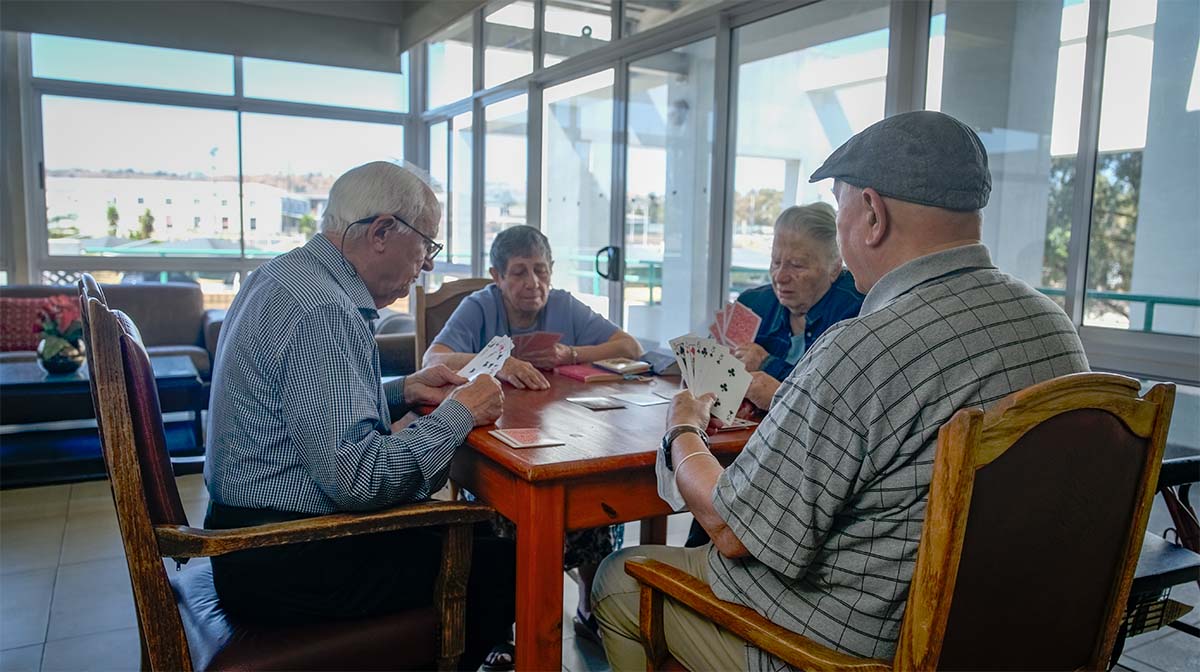
Old-age homes provide a vibrant atmosphere, ensuring that a sense of community is prevalent. This is achieved through group activities that uplift social interaction between residents. The staff themselves foster a positive attitude when interacting with senior residents.
3. Lack Of Independence
While some seniors may receive more assistance in daily activities, and more individualized care, old age homes still aim to prioritize individual autonomy and personal choice. Personalized care plans are a product of seniors’ selective preferences. Most activities and programs in old age homes are designed to encourage independence, such as using exercise to aid in mobility.
4. Lack Of Activities
Old age homes offer a plethora of activity options to create and ensure a fulfilled lifestyle for your loved one. Most, if not all, of these activities encourage social interaction.
The Role Of Family Support
While the transition signifies a shift in living arrangements, the role of family support remains integral. Families can actively participate in the transition process, from helping with the move to staying involved in the daily lives of their loved ones in old age homes. It is helpful to get to know the caregivers and the way the home operates, creating an open line of communication between yourself and the care staff concerning your relative’s care. Visit as often as possible at varying times to experience the various activities of the home and be introduced to different staff members. If distance is an issue, introduce your relative to Skype or Facetime for communication. Additionally, call the home and speak to your loved one’s caregiver for updates on their health, wellbeing, and care.

In Conclusion
View this transition as the opening of a new chapter, with a positive outlook instead of seeing it as an endpoint. Approach this transition with excitement and embrace all the little changes along the way. Navigating change in old age may seem overwhelming, but in reality, it’s a great opportunity for personal growth, community engagement, and continued family support. At Casa Serena we understand what transitioning to an old age home takes and we ensure that your loved one is supported with caring staff that holds your hand throughout the transition process. Casa Serena strives to make navigating the uncharted terrain of transitioning to old age a smooth one. Let us remember that change, though often daunting, brings with it the potential for renewed joy, purpose, and connection. With careful preparation, open communication, and a supportive community, seniors and their families can embark on this journey with a sense of empowerment, transforming what might seem like an ending into a new and fulfilling chapter of life.